Building End-to-End Infrastructure for Care Without Walls
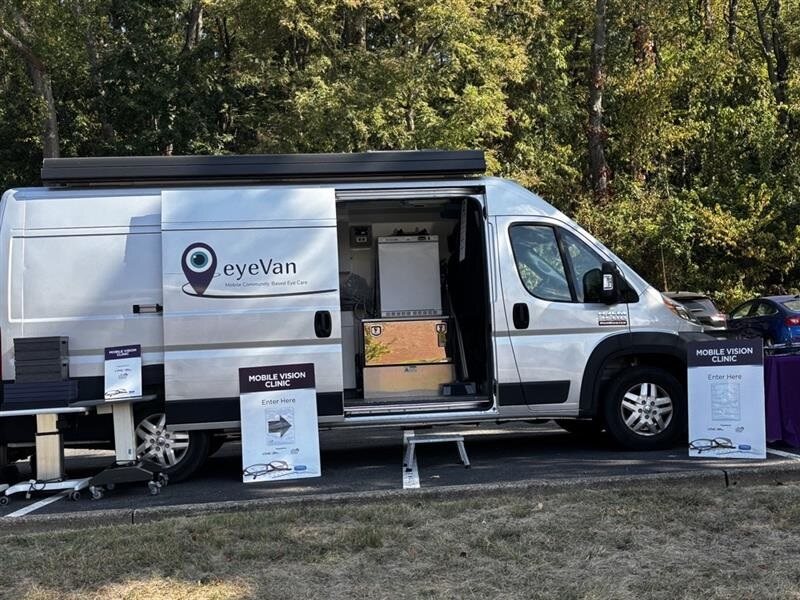
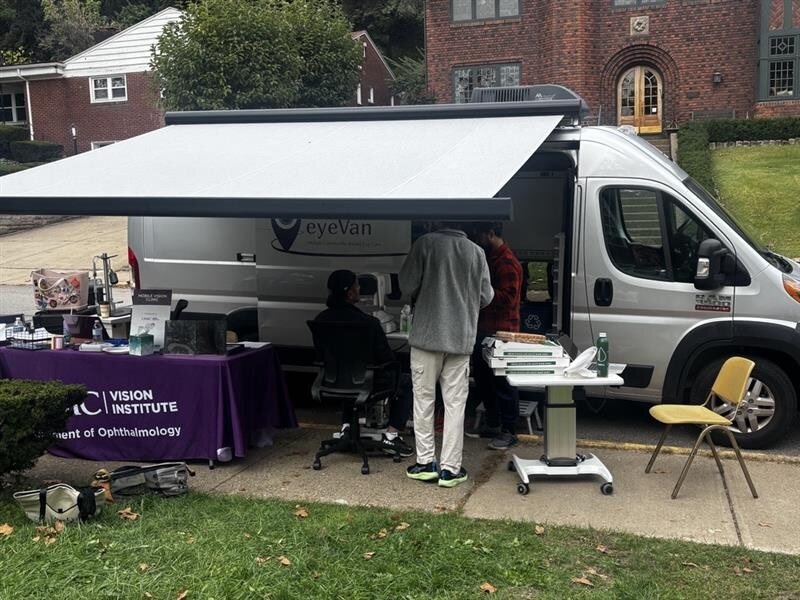
As program manager for CORAP’s mobile vision clinics, I led the development of every operational component of the eyeVan mobile vision clinic program, translating philanthropic investment into a high-functioning care delivery system. Within the first year, we transformed a limited pilot into a scalable, multi-site care delivery system. In November 2024, the program operated with one partner organization and two clinic locations; by the end of 2025, eyeVan clinics were active across dozens of community sites, including assisted living facilities, schools, places of worship, FQHCs, senior housing, and UPMC clinical partners.

I led the design and implementation of the full eyeVan infrastructure, allowing eyeVan clinics to evolve from ad hoc deployments into a repeatable, system-integrated practice by:
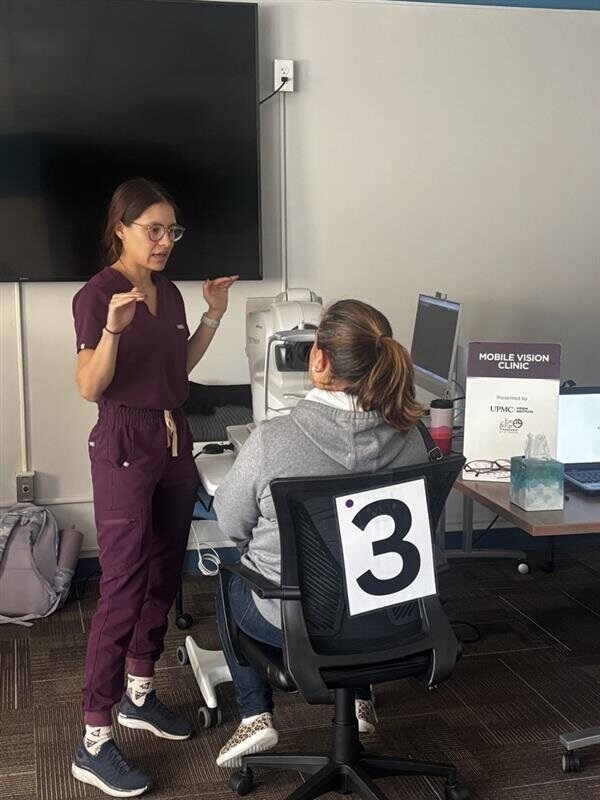
- Designing end-to-end mobile clinic workflows
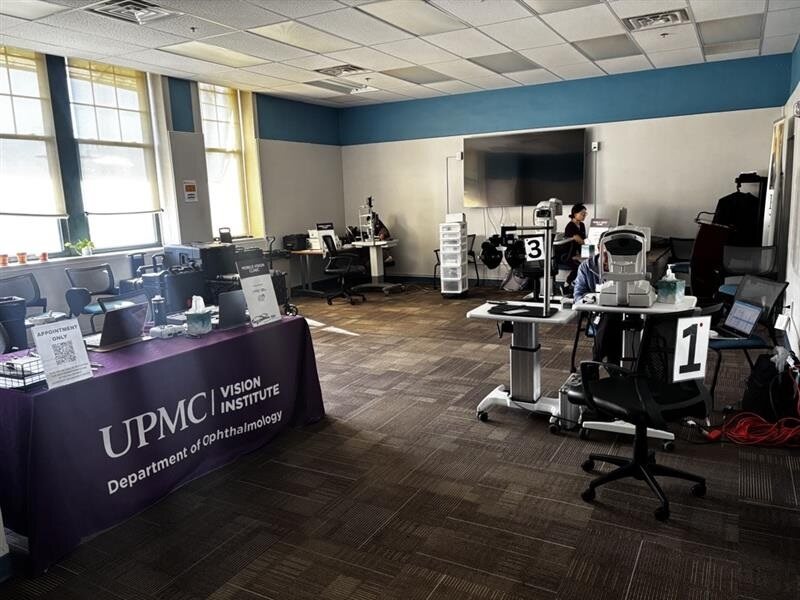
- Developing clinic models for diverse environments (indoor, outdoor, hybrid)
- Building scheduling, documentation, and referral systems
- Coordinating equipment, staffing, and partner engagement
- Expanding service populations (older adults and pediatrics)
- Establishing billing pathways where feasible
Older adults remained a core focus in 2025 in alignment with our sustaining grants. I also led a strategic expansion into pediatric care in response to patient and partner feedback.
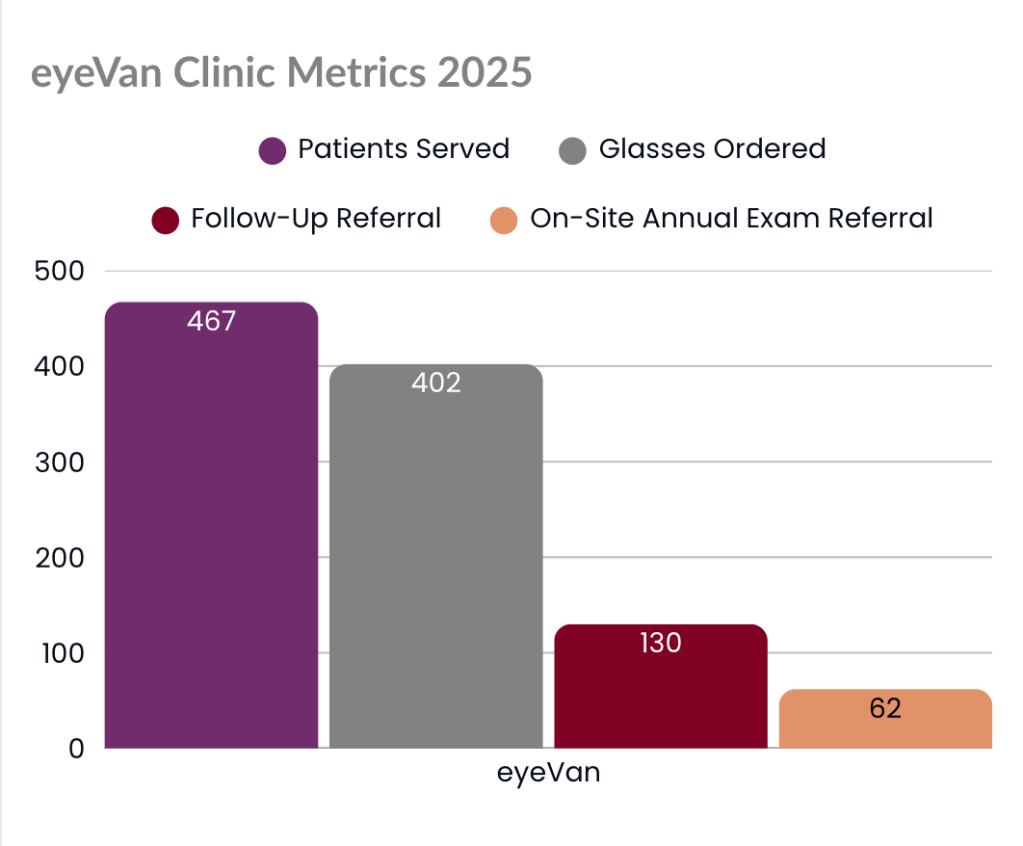
In 2025 alone, CORAP delivered 42 mobile vision clinics and 7 diabetic retinopathy screening events, ordering 360 pairs of glasses (including 136 pediatric pairs) and establishing durable referral and billing pathways into the UPMC Vision Institute. This work removed mobility, socioeconomic, and insurance barriers while creating replicable infrastructure for sustainable community-based ophthalmic care.
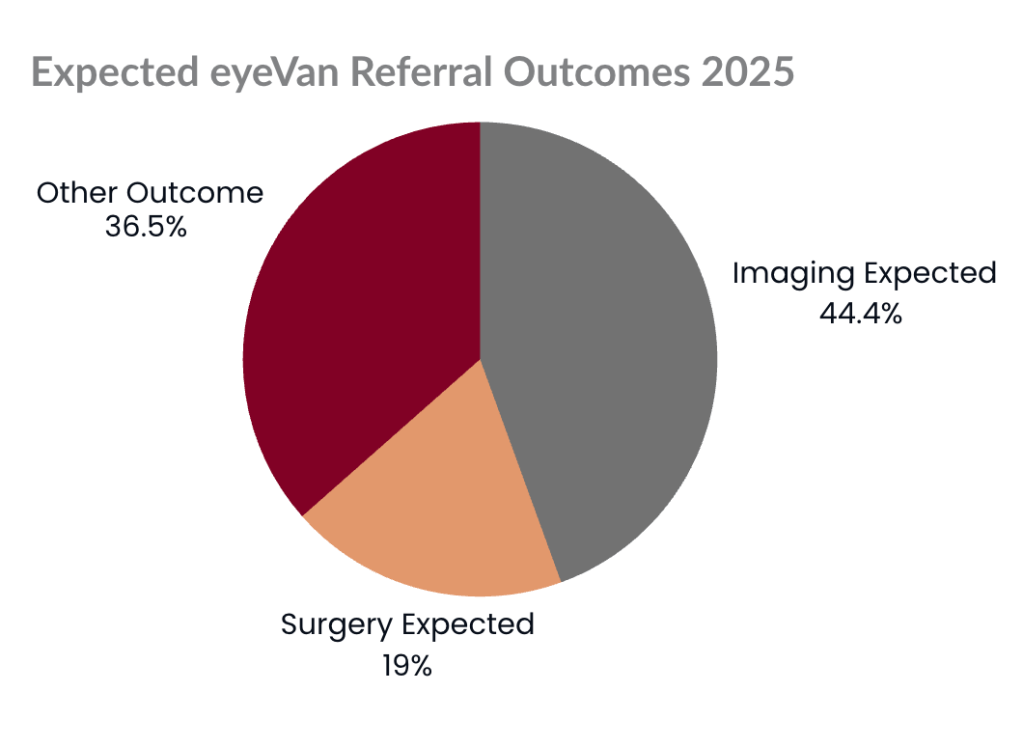
The mobile clinics intentionally function as entry points for continued care, not one-off interventions. 40%+ of eyeVan patients in 2025 were referred for specialty imaging or surgical follow-up and ~14% of patients were referred for annual visits at partner sites.
We expect to bill insured patients at 20% of partner sites in 2026 to validate that sustainability. By building workflows, partnerships, and referral pipelines from the ground up, this initiative transformed mobile clinics into a durable access strategy that delivers dignity, continuity, and clinical impact at scale.

Patient Outcomes
Patient S – Sight-Saving Detection
An uninsured patient reporting no symptoms, S was found to have a macular hole requiring urgent intervention—an early detection only possible through onsite imaging.
Patient T – Homebound Senior Reconnected to Care
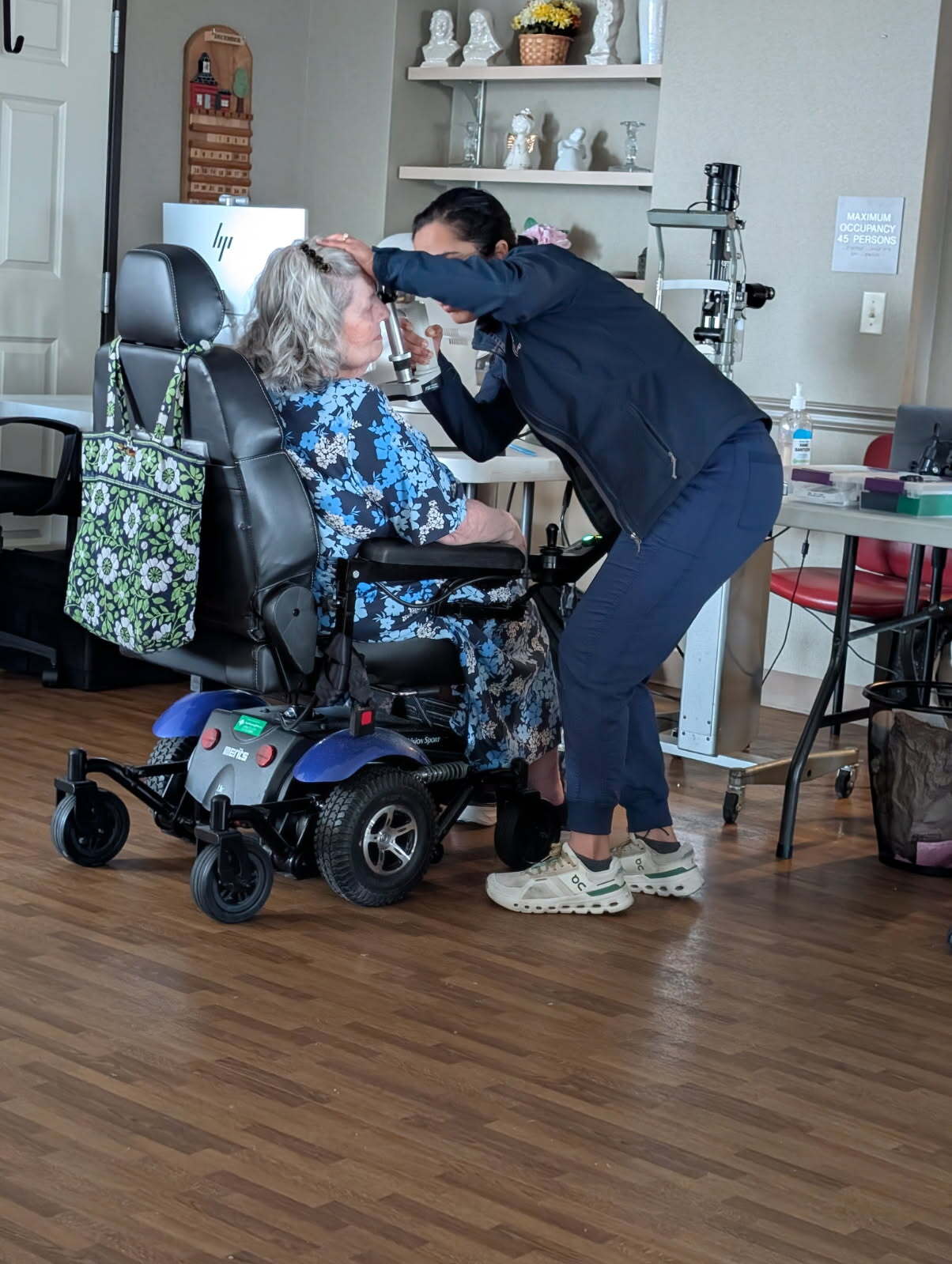
A wheelchair-bound patient shared her gratitude with tears, saying the mobile clinic made her feel “cared for” after years of isolation.
Patient J – Vision Restored
Identified through an eyeVan event, J was diagnosed with cataracts and glaucoma, underwent successful bilateral cataract surgery, and now enjoys improved vision.
Patient C – High-Risk Diabetic Retinopathy
An uninsured, undocumented patient was found to have proliferative diabetic retinopathy. CORAP coordinated:
- Support via family and PHAN
- Emergency Medical Assistance
- Laser therapy
- Follow-up care
- Emergency Medical Assistance
- Laser therapy
- Follow-up care
 Portfolio