Early Detection of Eye Disease
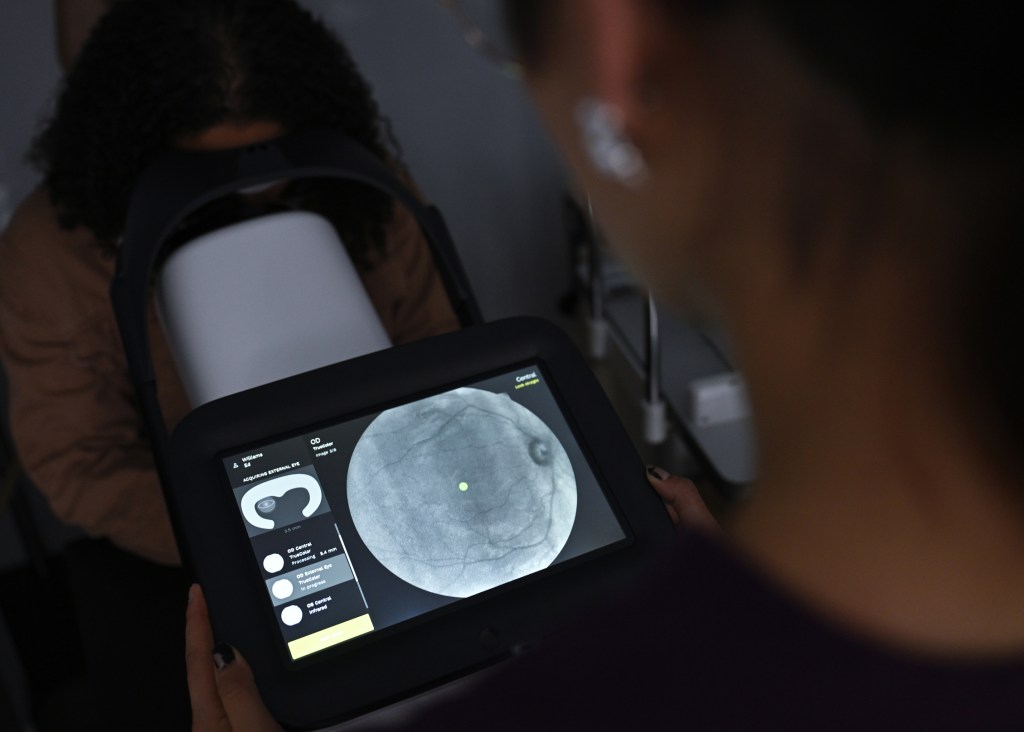
Much like PA Eye Day, the UPMC Diabetic Retinopathy Screening (DRS) program is a core CORAP initiative aimed at closing a persistent care gap (over 50%) in annual diabetic eye screenings by integrating remote retinal imaging into primary care and endocrinology practices in Western Pennsylvania and beyond.
As program manager, I inherited the existing project, then led a comprehensive audit and redesign of the program’s imaging workflows and training infrastructure across 40+ screening sites in and beyond the UPMC network.
My human-centered, data-informed approach included structured stakeholder interviews, site audits, and training refreshers. CORAP improved cross-site consistency by standardizing patient targeting protocols and training materials. We increased operational visibility by applying accountability mechanisms to ourselves and our partners, ensuring the dashboard accurately reflects site metrics.
Phase 1: Program Audit & Stakeholder Discovery
I began by assessing the current state of the program through a structured, qualitative data collection process, developing a preliminary interview survey and an in-depth qualitative interview script for deployment at all partner sites.
Preliminary interviews with practice managers to assess:
- Camera usage and condition
- Staff training practices
- Workflow clarity and follow-up protocols
- Willingness and capacity to continue participation
- Verification of site addresses and primary contacts
In-depth Qualitative Interviews: Structured collection of in-depth qualitative feedback from admins and primary camera users regarding barriers to care, operational needs, and best practices to identify recurring patterns and inform protocol refinement.
Key Challenges Identified in Phase 1
Stakeholder feedback revealed consistent issues across sites:
- Workflow confusion around follow-up and next steps
- High staff turnover requires frequent retraining
- Outdated or inconsistent training materials
- Difficulty identifying patients with open diabetic eye care gaps
- Underutilization of cameras at certain locations
Phase 2: Training Enhancements & Accountability
To address the identified challenges, we implemented a multi-layered intervention strategy:
Training & Support
- Conducted on-site trainings, providing practical guidance on camera cleaning, troubleshooting, and image quality
- Developed YouTube-based training videos
- Created EPIC-based guides to help teams identify and schedule patients overdue for screening
Performance & Metrics
- Began generating and distributing monthly utilization reports to all sites, highlighting high-performing and most-improved locations to reinforce accountability and engagement
- Updated the program’s metrics tracking database to improve accuracy and reliability
Strategic camera reallocation further strengthened program participation and expanded the DRS program across county and state lines, positioning CORAP for sustainable growth and broader impact in Western Pennsylvania and Western Maryland.
Now that the program has a solid foundation, I look forward to collaborating with UPMC Health Plan in 2026 to build referral pipelines to our partner locations and further fortify the initiative.
 Portfolio