When people think about healthcare access, vision care is often overlooked (pun intended), yet it defines quality of life for many people.
The ability to read medication labels. Fill out forms. Drive safely. Recognize faces. Maintain independence. Stay employed.
I watched my own mother struggle with pre-mature macular degeneration; it hindered her ability to commute to work and take certain jobs, despite her indelible work ethic. Navigating convoluted insurance processes as a single working mom of limited means was also a herculean task. A care delivery system like the eyeVan and our adjacent patient support workflows would’ve given my mother the tools she needed to get treatment.
For many of our neighbors, especially those in historically under-resourced communities, basic needs are often hindered by systemic barriers that extend far beyond the clinic walls. Many of the communities we serve are making daily tradeoffs between basic necessities, especially after the COVID-19 pandemic further decimated the job market and resulted in chronic health problems for thousands of Pittsburgh residents.
One of the biggest barriers to follow-up vision care, in addition to transportation and medical bills, is food insecurity. In one of our core service ZIP codes, residents have historically faced a grocery desert. When access to fresh, affordable food is limited, healthcare understandably becomes secondary.
Even for those of us who are well-insured, able-bodied, and otherwise face minimal barriers to care, our appointments fall to the wayside in favor of everyday dilemmas and tasks. Life gets in the way. Systems get in the way. The words “convenience” and “healthcare” should be better acquainted.
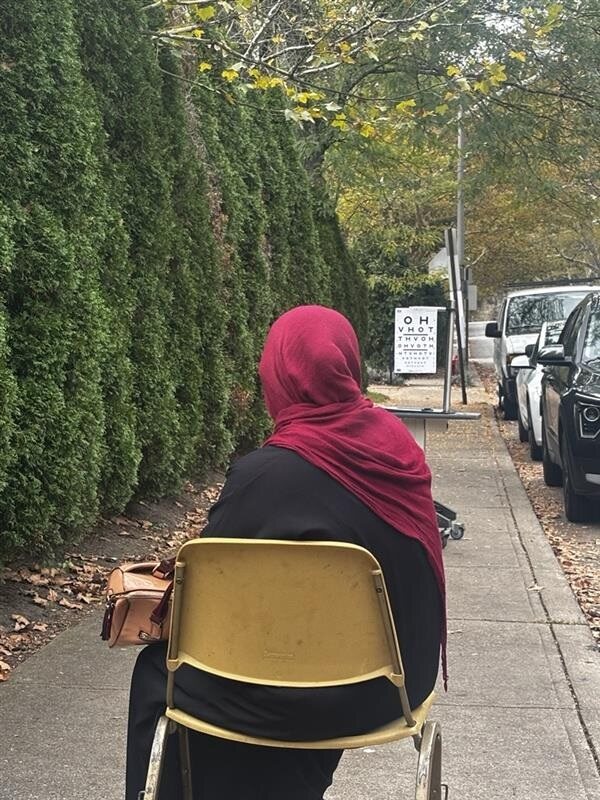
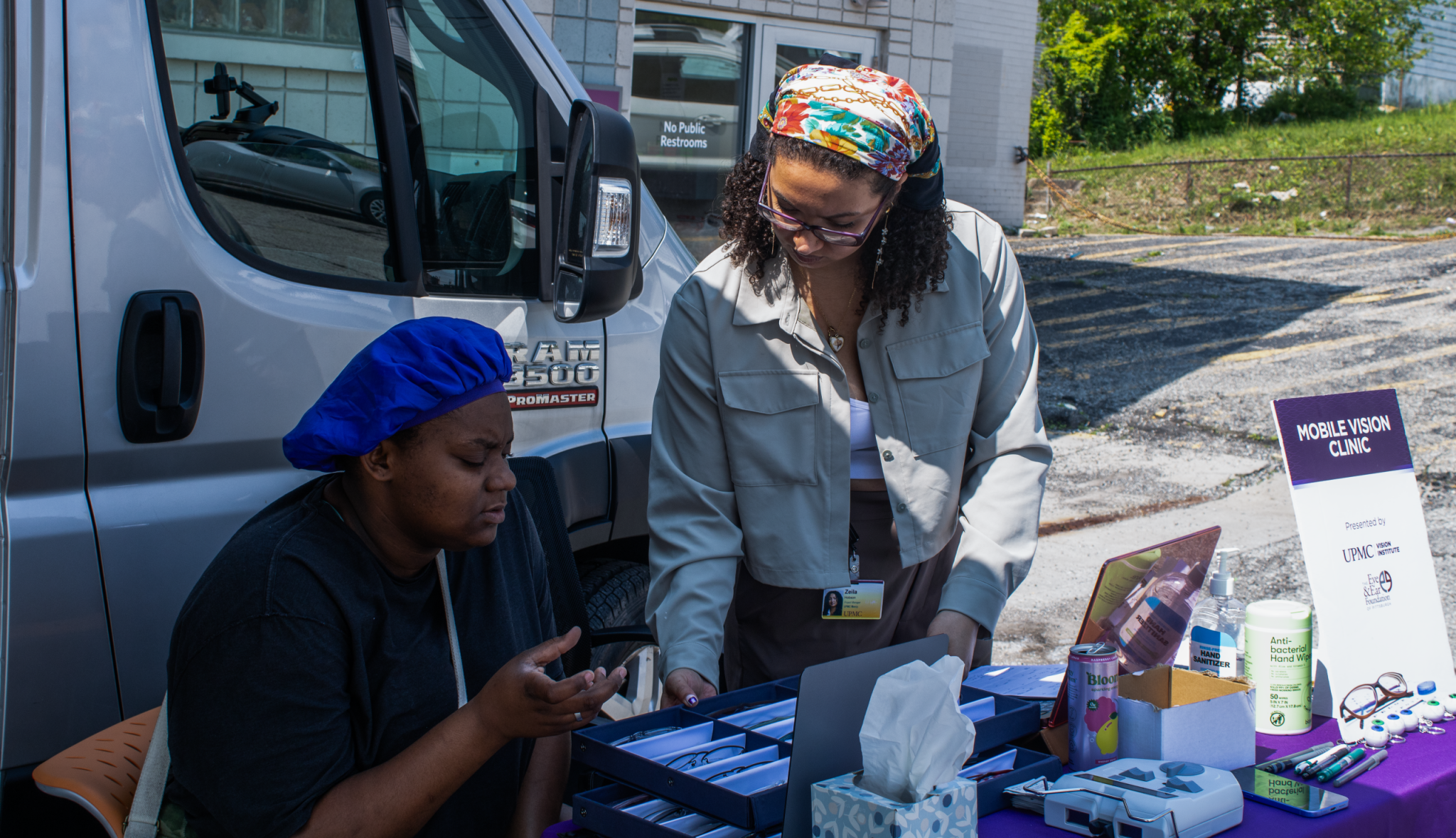
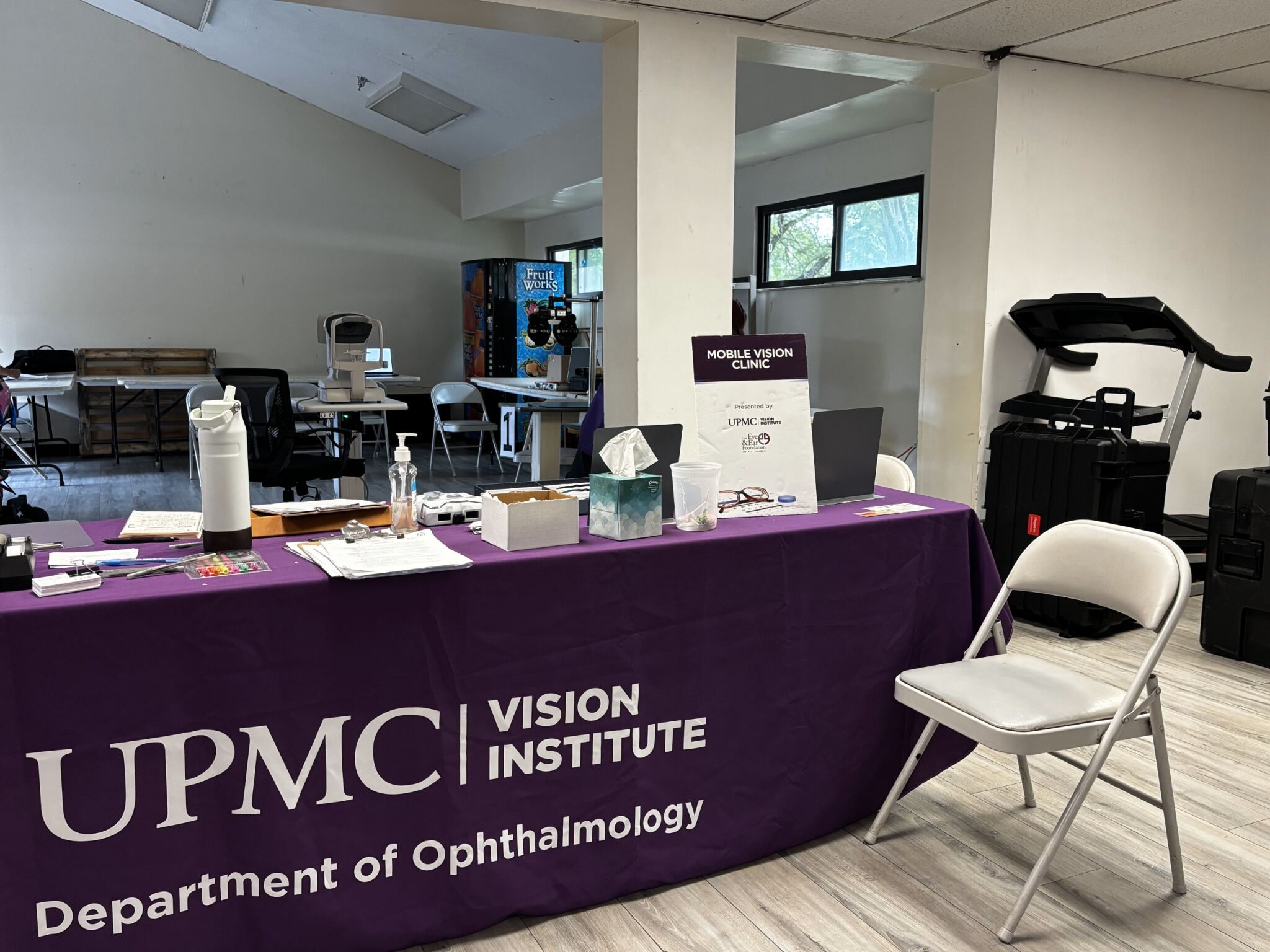
That’s exactly why our mobile vision programs are designed to bring care directly into trusted community spaces — and why our partnerships matter so much.
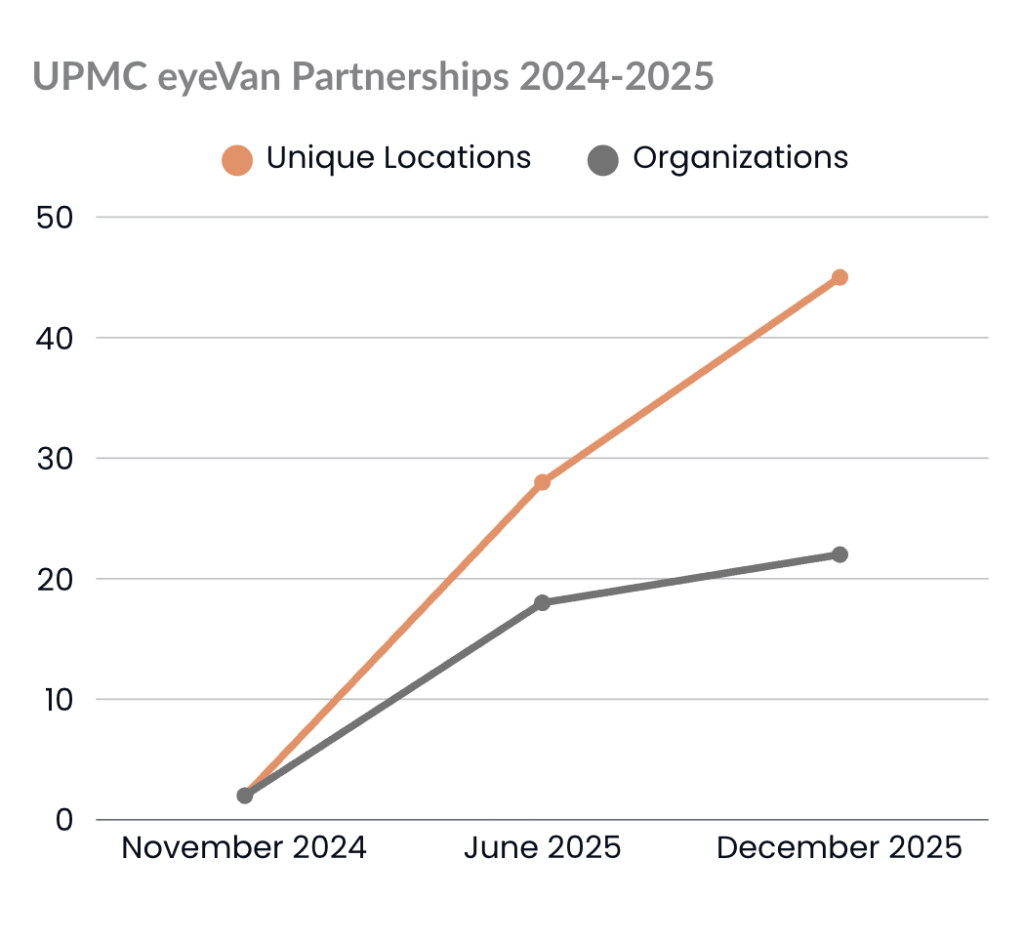
Over the past year, we’ve engaged with almost 50 partner sites in Allegheny and the surrounding counties. We also collaborate with organizations whose missions intersect with ours, such as the Pennsylvania Health Advocacy Network, the Neighborhood Resilience Project, and Abiding Missions, to provide insurance navigation and food pantry programming, establishing wraparound support to help stabilize the very conditions that make follow-up care possible.
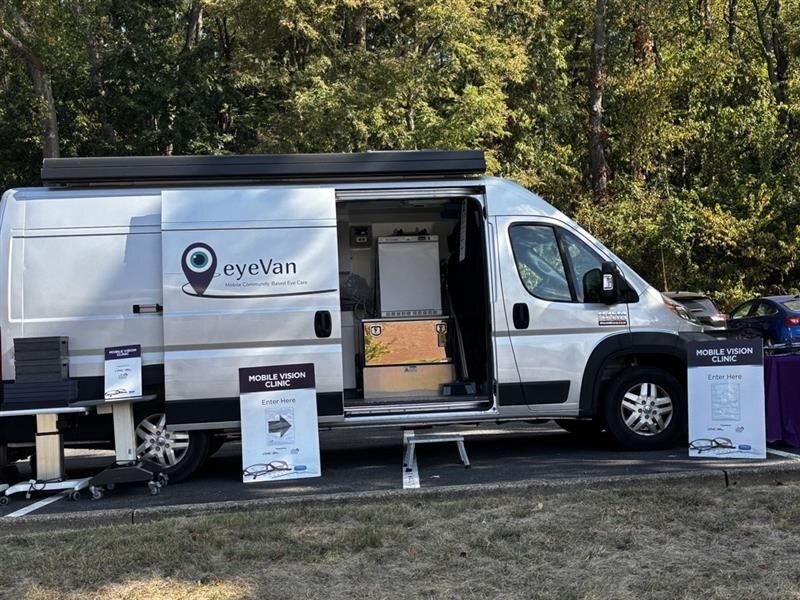
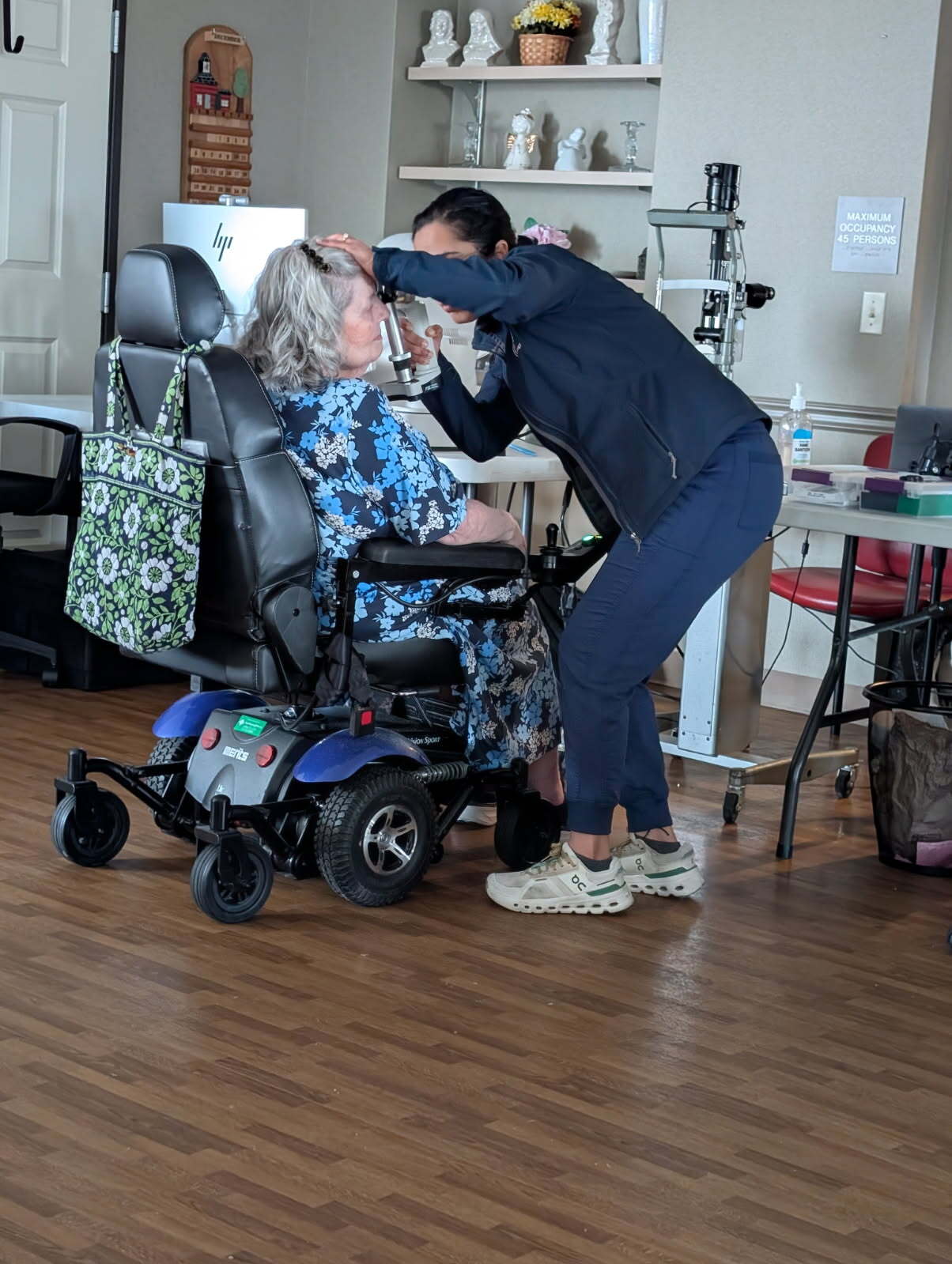
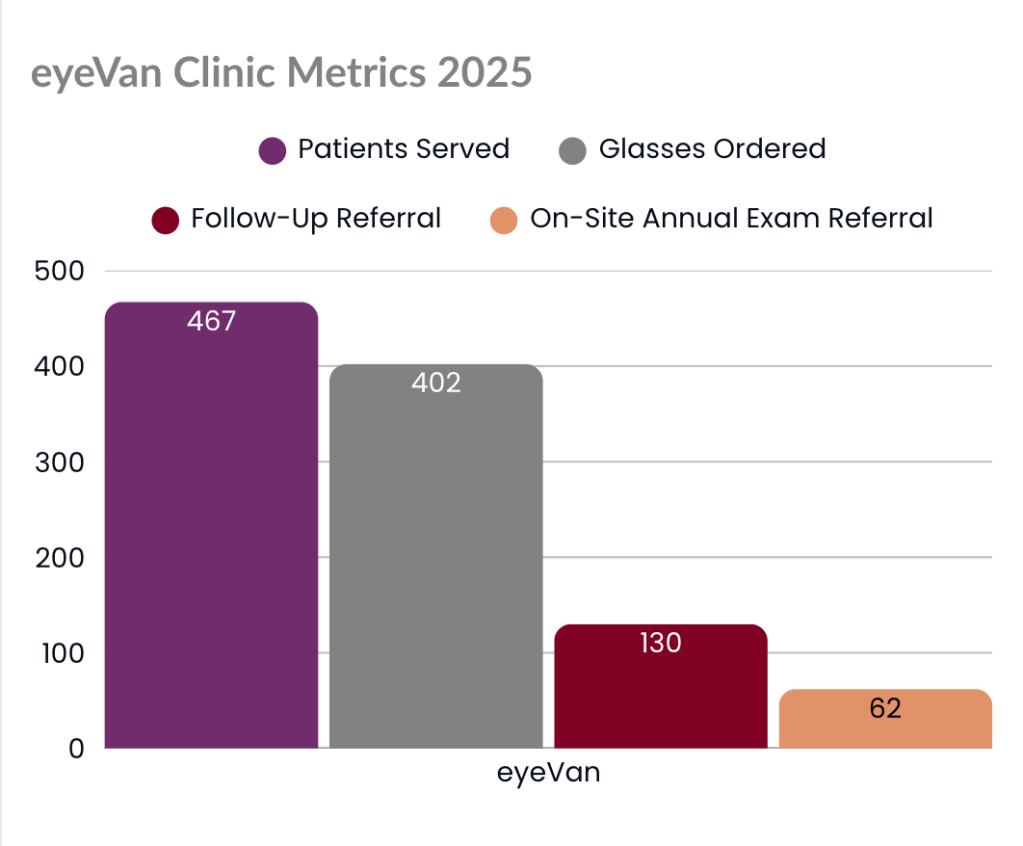
In 2025, the UPMC eyevan served 467 patients across dozens of unique sites with daytime mobile clinics, scheduling follow-ups, and learning insurance processes in real-time to support our patients. We ordered 402 pairs of glasses delivered directly to our patients, including pediatric orders, via Changing Lives Through Lenses.
When we bring diagnostic equipment, education, no-cost eyeglasses, and referrals into familiar environments, we’re not just delivering eye care; we’re integrating vision health into the broader realities of community wellbeing.

 Portfolio